
Industry Trends & InspirationTrending
2026年2月3日
Global Designer Toy Trends: What We See from Recent Drops and Collaborations
If you work with characters, collectibles, or “art toys,” the last few years have felt very different. What used to be a niche between illustration, graffit,i and underground vinyl now sits on auction
If you work with characters, collectibles, or “art toys,” the last few years have felt very different.
What used to be a niche between illustration, graffit,i and underground vinyl now sits on auction stages, in luxury windows, on sneaker releases, and inside global fandom communities.
For artists and brands thinking about producing their own figures with a Chinese manufacturer, understanding these trends is not just “nice to know.” It affects what scale makes sense, how you plan your drop, what materials you choose and how you position your project.
Below is a practical look at what is actually happening in the global designer toy space right now, and what it means for your next production run.
Trend 1 – Designer toys are no longer a niche hobby
Analysts now treat “art toys” and collectible figures as a serious market category. Recent reports estimate the art toy or designer toy segment in the multi-billion-dollar range, growing faster than many traditional toy lines and driven by limited editions, pop-culture IP and adult collectors.
At the same time, mainstream collectibles overall continue to rise, with global collectibles projected to grow steadily over the next decade as more adults treat them as emotional and sometimes financial assets.
We also see single pieces crossing into fine art territory. In 2025, a human-sized Labubu figure sold for over $150,000 at auction in Beijing, at a sale dedicated entirely to that IP.
What this means if you are planning a figure or sculpture:
– It is no longer “weird” to make a serious art toy or high-end figure.
– Collectors are used to paying more for strong design, storytelling and quality.
– Positioning matters: are you closer to “toy,” “collectible,” or “art object”? That will guide your decisions on size, materials and pricing.
Trend 2 – Limited editions, drops and scarcity still drive excitement
Limited runs are not new, but the way they are framed has evolved. Many successful lines now combine:
– clear edition structure (for example 200 pcs worldwide)
– multiple colorways or chase variants
– time-limited drops instead of “always available” products
Blind box culture and surprise-based releases, popularized at scale by brands like Pop Mart, have trained a younger audience to enjoy the excitement of not knowing exactly which piece they will pull, while still collecting within a coherent IP world.
For you as an artist or brand, this has a few implications:
– You do not need huge quantities to feel meaningful. A clean 100–300 piece edition, well presented, can be enough.
– Planning the “drop moment” (timing, photos, story) is as important as the figure itself.
– Your manufacturer needs to be comfortable with small-batch runs and consistent quality across the whole edition.
Trend 3 – Fashion, lifestyle and toy worlds keep crossing over
Designer toys are no longer kept inside toy fairs and art fairs. They now show up in:
– fashion collaborations and capsule collections
– sneaker releases with playful characters and plush details
– brand partnerships where a figure becomes the campaign symbol
The broader collaboration landscape in fashion, beauty and lifestyle has exploded; cross-sector partnerships are now a standard tool for reaching new audiences and creating “drop” moments.
In parallel, toy collectibles and character-driven items are actively used by global brands to express nostalgia, cuteness, humor or emotional warmth.
If your world includes apparel, accessories, print or digital content, a physical figure can be:
– a bridge between online identity and offline object
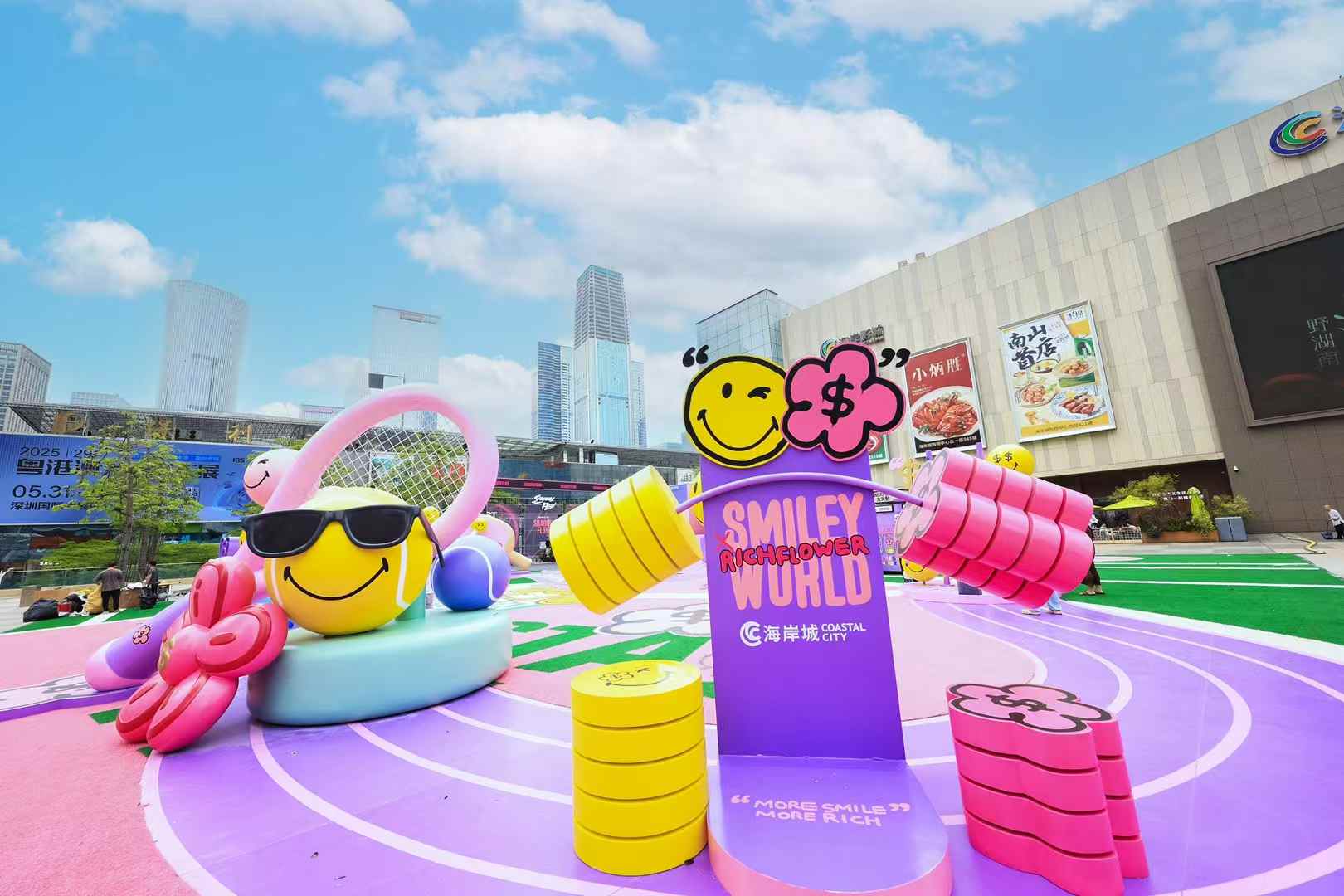
– a centerpiece for store displays, events or brand photo spots
– a shared “totem” between you and your community
When working with a factory, this might mean thinking beyond the figure itself: bases, display stands, props, signage, hang tags and packaging all become part of that universe.
Trend 4 – Clear resin, light effects and large formats get more attention
Beyond classic soft vinyl and opaque resin, we see more projects using:
– clear/tinted resin for glass-like bodies, internal elements or fluid effects
– embedded glitter, gradients or layered casting
– internal LEDs or light sources to create glow or halo effects
Clear resin is attractive because it feels closer to sculpture and glass art, yet remains more flexible in form and color. Articles and brands focused on transparent resin sculptures highlight how these pieces blur the line between design object and art, especially when combined with good lighting.
There is also a quiet rise of “human-scale” pieces: large versions of characters as photo spots, exhibition centerpieces or gallery works, not just 10–20 cm shelf pieces. The Labubu auction result is one very visible example of a blind box IP being translated into a 131 cm sculpture that lives in the fine art context.
For production, this means:
– You may want to plan a family of formats: desk-size, mid-size, and one larger piece for exhibitions or key locations.
– Technical complexity increases when you mix clear parts, LEDs and structure; your manufacturer needs experience with both small figures and larger FRP or resin sculptures.
– Clear resin requires extra care with bubbles, yellowing and polishing. Expect more testing in the prototype stage.
Trend 5 – Community, content and collecting are tightly linked
Designer toys now live inside a content ecosystem:
– Instagram and TikTok show unboxings, studio shots, WIP and collection photos.
– Discord, Telegram and private communities coordinate drops, trades and meet-ups.
– Many releases are announced to a core community first, then to the wider public.
Collectible toy sales overall have been supported by adults and teens who treat collecting as both self-expression and community participation, not just a solitary hobby.
For your project with a manufacturer, this suggests:
– You should plan content around your prototype and production process, not just finished photos.
– “Behind the scenes” factory images—molds, painting, assembly—help your audience feel closer to the object.
– It can be smarter to do a smaller, well-documented run with good storytelling than a large, quiet release.
Trend 6 – More creators want prototype-to-small-batch, not instant mass production
Many of today’s designers and independent brands prefer:
– a strong prototype they can photograph and take to shows or online campaigns
– then a carefully sized small batch (50–300 pieces) based on real demand
– instead of jumping straight into thousands of units and heavy inventory
Market analysts note that a large part of art toy growth comes from limited, higher-margin items rather than pure volume.
From a manufacturing perspective, this aligns well with factories that are set up for:
– prototype-friendly workflows
– flexible molds that can support both small and mid-sized runs
– detailed QC for faces, paint and surfaces
It does mean your partner must be comfortable with smaller MOQs and closer communication, instead of only high-volume anonymous orders.
Trend 7 – IP respect and long-term brand building matter more
As designer toys enter auctions, luxury collaborations and major pop-culture spaces, the value of IP has become clearer. High-profile disputes, copycats and unauthorized “inspired” items make creators more sensitive to how their work is handled.
Creators now often look for manufacturers who:
– respect that the character and story belong to the artist or brand
– are willing to sign NDAs or clearly limit how samples and molds are used
– support long-term consistency across multiple drops, not just one-off projects
If you plan to build a world—multiple characters, seasons, or a long-running IP—your production partner is effectively part of your brand team. Continuity in quality, scale, color language and finish becomes a strategic asset.
What these trends mean for your next collaboration with a Chinese manufacturer
Putting all of this together, a “modern” designer toy or sculpture project tends to look like this:
– You define a clear concept and position: art toy, collectible, or display sculpture.
– You develop a strong prototype that photographs well and feels consistent with your world.
– You test and warm up your community with WIP, studio and factory process content.
– You plan a drop with deliberate scarcity and, if possible, meaningful collabs.
– You choose materials—vinyl, opaque resin, clear resin, FRP—based on the story and price point.
– You run a small but focused batch first, learn from it, and only then scale or expand.
A good Chinese manufacturer is not just a “producer.” They are the technical side of your storytelling, helping you choose structure, finishes and packaging that respect where the market is going and what your audience expects.
Gentle closing
The global designer toy scene is bigger, louder and more complex than ever—but that also means there is more room for well-made, thoughtful projects.
If you are considering your first figure, a large sculpture for a show, or a new edition for an existing IP, it helps to design with these trends in mind instead of against them.
Start with one strong prototype, choose materials that match your audience, and work with a partner who understands both the art and the engineering side.
That way, each drop is not just a product release—it is another step in building a world people want to return to.